

As an architectural window film supplier, I often encounter inquiries about the suitability of our products for historical buildings. This topic is not only of great interest to building owners and preservationists but also crucial for the long - term protection and functionality of these cultural treasures. In this blog, I will explore whether architectural window film can be used on historical buildings, considering various aspects such as historical integrity, protection benefits, and installation challenges.
Preservation of Historical Integrity
One of the primary concerns when considering using architectural window film on historical buildings is maintaining their historical integrity. Historical buildings are often protected by local, national, or international regulations that aim to preserve their original appearance, materials, and construction methods. Any modification to these buildings must be carefully evaluated to ensure that it does not detract from their historical value.
Architectural window films come in a variety of types, including clear, tinted, reflective, and decorative films. When choosing a film for a historical building, it is essential to select a product that is as unobtrusive as possible. Clear films, for example, can provide protection without significantly altering the appearance of the windows. They can be an ideal choice for buildings where maintaining the original view and aesthetic is of utmost importance.
However, tinted or reflective films may require more careful consideration. While they can offer benefits such as solar heat reduction and glare control, they can also change the visual appearance of the building. In some cases, these films may not be permitted if they conflict with historical preservation guidelines. It is crucial to consult with local historical preservation authorities before installing any type of window film on a historical building. They can provide guidance on what is allowed and what may be considered a violation of preservation regulations.
Protection Benefits of Architectural Window Film
Despite the concerns about historical integrity, architectural window film can offer significant protection benefits for historical buildings. One of the most important benefits is UV protection. Ultraviolet (UV) rays from the sun can cause damage to interior finishes, furnishings, and artwork over time. UV rays can fade fabrics, discolor paints, and deteriorate wood and other materials.
Our UV Protection Window Film is designed to block a high percentage of UV rays, providing long - term protection for the interior of historical buildings. By reducing UV exposure, the film can help preserve the original colors and condition of historical artifacts, furniture, and wall coverings. This not only protects the cultural value of the building but also reduces the need for costly restoration and replacement.
Another benefit of architectural window film is solar heat reduction. Many historical buildings were not designed with modern energy - efficiency standards in mind. As a result, they can be prone to overheating during the summer months, which can cause discomfort for occupants and put additional stress on the building's structure. Tinted or reflective window films can help reduce solar heat gain by reflecting or absorbing a portion of the sun's energy. This can lead to lower cooling costs and a more comfortable indoor environment.
In addition to UV protection and solar heat reduction, Security Window Film can also be beneficial for historical buildings. These films are designed to hold shattered glass together in the event of an impact, such as a storm, vandalism, or a natural disaster. By preventing glass shards from flying, security window film can help protect the building's occupants and prevent damage to interior furnishings and historical artifacts.
Installation Challenges
Installing architectural window film on historical buildings can present some unique challenges. Historical windows may be made of different materials, such as old - growth wood, leaded glass, or antique glass, which require special handling and installation techniques.
For example, old - growth wood frames may be more brittle and prone to damage during the installation process. It is important to use gentle installation methods and avoid applying excessive pressure that could cause the wood to crack or splinter. Similarly, leaded glass and antique glass are often more delicate than modern glass and require careful handling to prevent breakage.
In some cases, the historical windows may have unique shapes or sizes that make it difficult to find pre - cut window film. In these situations, custom - cut films may be required, which can increase the cost and complexity of the installation. It is important to work with an experienced window film installer who has knowledge of historical building preservation and the skills to handle these challenges.
Case Studies
There are several successful examples of using architectural window film on historical buildings. For instance, a historic museum in a large city was facing issues with fading artwork due to UV exposure. After consulting with historical preservation authorities, the museum installed our UV Protection Window Film. The clear film provided excellent UV protection without altering the appearance of the museum's windows or the view from the inside. Over time, the museum noticed a significant reduction in the fading of its artwork, and the need for restoration work was greatly reduced.
Another example is a historic government building that was experiencing high energy costs due to solar heat gain. The building's management decided to install tinted window film after obtaining approval from the local historical preservation board. The film not only reduced solar heat gain and lowered cooling costs but also improved the comfort of the building's occupants. The tinted film was carefully selected to match the building's overall aesthetic, and the installation was carried out by a team of experienced professionals who were sensitive to the building's historical significance.
Conclusion
In conclusion, architectural window film can be used on historical buildings, but it requires careful consideration and planning. While there are concerns about maintaining historical integrity, the protection benefits of window film, such as UV protection, solar heat reduction, and security, can outweigh these concerns in many cases.
Before installing window film on a historical building, it is essential to consult with local historical preservation authorities to ensure compliance with regulations. It is also important to choose the right type of window film and work with an experienced installer who has knowledge of historical building preservation.

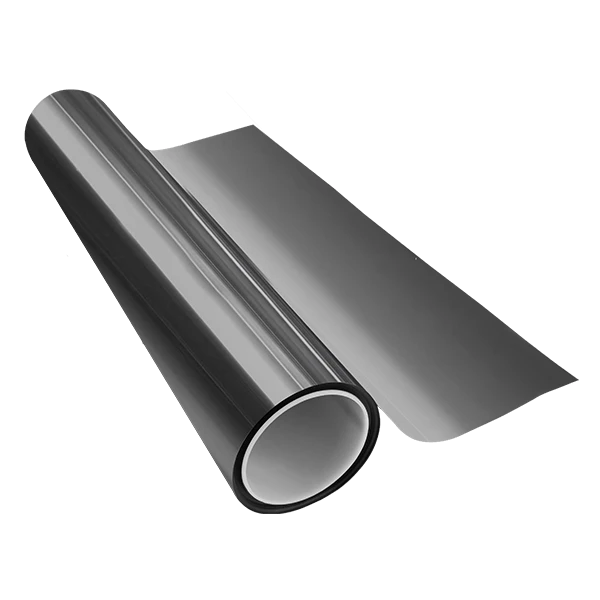
If you are a building owner, preservationist, or manager of a historical building and are interested in learning more about how our architectural window films can benefit your property, we invite you to contact us for a consultation. Our team of experts can provide you with detailed information about our products, installation options, and how we can help you protect and enhance your historical building while maintaining its cultural value.
References
- American Institute of Architects. "Historical Building Preservation Guidelines."
- National Trust for Historic Preservation. "Protecting Historical Buildings from Sun Damage."
- Window Film Manufacturers Association. "Best Practices for Window Film Installation on Historical Buildings."