

Can automotive safety window film be installed in cold weather? This is a question that many car owners and installers often ask. As a leading supplier of Automotive Safety Window Film, we have in - depth knowledge and experience in this area. In this blog, we will explore the feasibility, challenges, and best practices of installing automotive safety window film in cold weather.
Understanding Automotive Safety Window Film
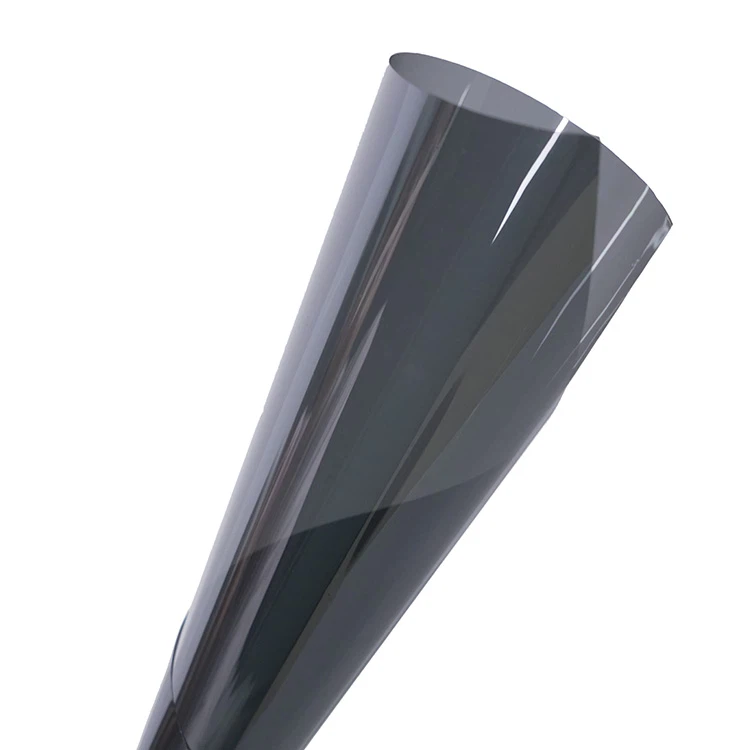
Automotive safety window film is not just an ordinary window accessory. It offers multiple benefits, such as enhancing privacy, reducing heat and glare, and providing an extra layer of safety by holding the glass together in case of an accident. Our Automotive Safety Window Film is made with high - quality materials and advanced technology, ensuring long - lasting performance and reliability.
There are different types of automotive window films in our product line, including Nano Metallic Window Film High Spec and Economic Nano Film. The Nano Metallic Window Film High Spec provides excellent heat rejection and high - end performance, while the Economic Nano Film offers a cost - effective solution without sacrificing too much on quality.
Feasibility of Cold - Weather Installation
The short answer is yes, automotive safety window film can be installed in cold weather, but it comes with its own set of challenges. In cold temperatures, the film and the adhesive on it become stiffer. The film may be more difficult to manipulate and conform to the shape of the car windows. Adhesives also tend to cure more slowly in cold conditions, which can affect the overall installation quality.
However, with proper preparation and techniques, successful installation is still achievable. Professional installers who are experienced in cold - weather installations understand how to work around these issues. They know how to warm up the film and the installation environment to make the process smoother.
Challenges in Cold - Weather Installation
Film Flexibility
As mentioned earlier, cold temperatures make the film less flexible. This lack of flexibility can lead to difficulties in stretching and shaping the film to fit the curves and edges of the car windows. If the film is forced to bend too much in a cold state, it may crack or develop creases, which will not only look bad but also affect the functionality of the film.
Adhesive Performance
The adhesive on the automotive safety window film is designed to bond well with the glass surface. In cold weather, the adhesive's ability to flow and adhere properly is impaired. It may take much longer for the adhesive to form a strong bond, and there is a higher risk of air bubbles getting trapped between the film and the glass. These air bubbles can cause the film to peel over time if not addressed properly.
Installation Environment
The cold air outside can also affect the installation process. If the car is not properly insulated during installation, the cold air can seep in and cool down the film and the glass, making it even more challenging to install the film correctly. Even small temperature fluctuations can have a significant impact on the adhesive's performance.
Best Practices for Cold - Weather Installation
Pre - warming the Film
One of the key steps in cold - weather installation is to pre - warm the film. This can be done by bringing the film indoors to a warmer environment for a few hours before installation. The ideal temperature for the film should be around room temperature (about 20 - 25 degrees Celsius). This will make the film more flexible and easier to handle.

Warming the Installation Area
The car's interior should also be warmed up before installation. You can use a heater to raise the temperature inside the car to a comfortable level. This not only helps the film to adhere better but also makes the installation process more comfortable for the installer.
Using the Right Tools
Special tools may be required for cold - weather installation. For example, a heat gun can be used to gently warm the film during the installation process, especially when trying to remove air bubbles. However, it is important to use the heat gun carefully to avoid overheating the film, which can cause damage.
Allowing Sufficient Drying Time
Since the adhesive cures more slowly in cold weather, it is crucial to allow sufficient drying time. The car should be kept in a warm environment for at least 24 - 48 hours after installation to ensure that the adhesive fully bonds with the glass. During this time, the windows should not be rolled down to avoid disturbing the bonding process.
Quality Assurance in Cold - Weather Installation
As a supplier of Automotive Safety Window Film, we are committed to ensuring that our products are installed to the highest standards, even in cold weather. Our technical support team provides training and guidance to installers on cold - weather installation techniques. We also offer high - quality products that are designed to perform well in various conditions.
Before installation, the installer should thoroughly clean the glass surface to remove any dirt, dust, or grease. This is essential for a good adhesive bond. After installation, a quality check should be performed to ensure that there are no air bubbles, creases, or other defects in the film.
Conclusion
In conclusion, while installing automotive safety window film in cold weather presents some challenges, it is definitely possible with the right approach. By following the best practices outlined above, professional installers can achieve high - quality installations even in cold conditions.
If you are interested in our Automotive Safety Window Film, Nano Metallic Window Film High Spec, or Economic Nano Film, we encourage you to contact us for more information and to discuss your procurement needs. We are ready to provide you with the best products and services to meet your automotive window film requirements.
References
- Window Film Manufacturers Association, "Best Practices for Window Film Installation in Different Climates"
- Automotive Glass and Window Film Installation Guidebooks
- Industry research on the performance of window film adhesives in cold temperatures