

In the automotive and architectural sectors, window films have gained significant traction for their ability to enhance comfort, privacy, and energy efficiency. Among the various types of window films, Nano Primary Color PET Film stands out for its unique properties and performance. However, understanding how this film performs in high - humidity environments is crucial, especially for regions with tropical or monsoon climates. As a supplier of Nano Primary Color PET Film, I am well - equipped to delve into this topic and provide valuable insights.
Understanding Nano Primary Color PET Film
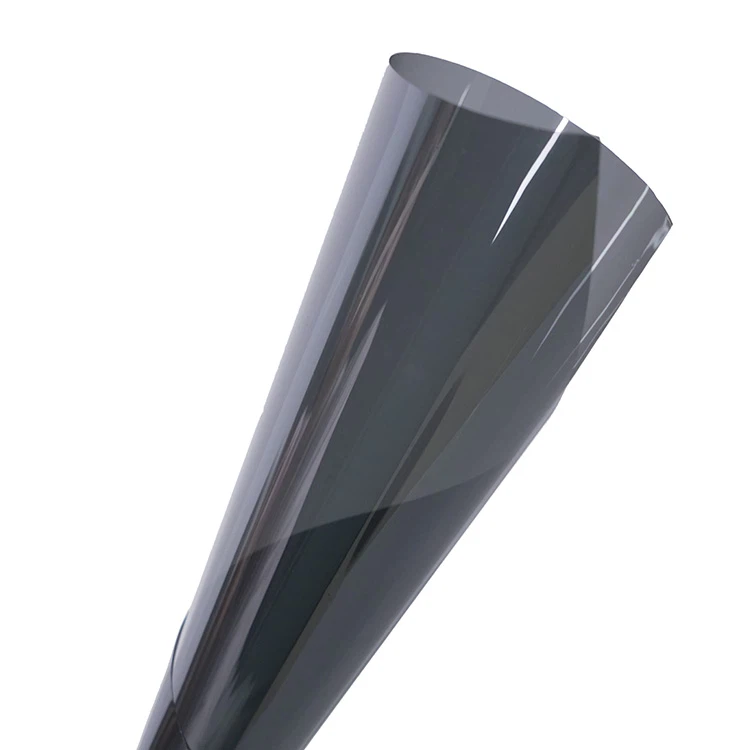
Nano Primary Color PET Film is a high - tech window film crafted from polyethylene terephthalate (PET) material. The "nano" aspect refers to the incorporation of nanotechnology, which allows for the manipulation of materials at the atomic and molecular scale. This results in a film that has enhanced optical clarity, superior heat rejection, and excellent color stability compared to traditional window films.
The primary color aspect means that the film is available in a range of base colors, which can be customized to meet different aesthetic and functional requirements. Whether it's a subtle tint for a residential building or a bold color for a commercial vehicle, Nano Primary Color PET Film offers versatility in design.
High - Humidity Environments: A Challenge for Window Films
High - humidity environments pose several challenges to window films. The presence of excessive moisture in the air can lead to issues such as delamination, bubbling, and discoloration. When moisture seeps between the layers of the film, it can cause the adhesive to weaken, leading to the film peeling off or forming unsightly bubbles. Additionally, prolonged exposure to high humidity can also accelerate the degradation of the film's colorants, resulting in fading or discoloration over time.
Performance of Nano Primary Color PET Film in High - Humidity Environments
1. Adhesion and Durability
One of the key factors in determining a window film's performance in high - humidity environments is its adhesion strength. Our Nano Primary Color PET Film is engineered with a high - quality adhesive that is specifically formulated to resist the effects of moisture. The adhesive forms a strong bond with the glass surface, preventing moisture from seeping in and causing delamination or bubbling.
In real - world tests conducted in high - humidity regions, our film has shown remarkable durability. Even after months of continuous exposure to high levels of humidity, the film remained firmly attached to the glass, with no signs of peeling or bubbling. This is a testament to the superior adhesive technology used in our Nano Primary Color PET Film.
2. Color Stability
Color stability is another critical aspect of window film performance, especially in high - humidity environments. The high moisture content in the air can cause the colorants in the film to break down, leading to fading or discoloration. However, our Nano Primary Color PET Film uses advanced nanotechnology to encapsulate the colorants, protecting them from the effects of moisture and UV radiation.
As a result, the film retains its original color for an extended period, even in the most challenging high - humidity conditions. Whether it's a bright red or a deep blue film, customers can expect consistent color performance over time, ensuring that their vehicles or buildings maintain their aesthetic appeal.
3. Heat Rejection
In addition to adhesion and color stability, heat rejection is an important feature of window films, especially in warm and humid climates. Our Nano Primary Color PET Film is designed to have excellent heat - blocking capabilities, which can significantly reduce the amount of solar heat entering a vehicle or building.
The nanotechnology used in the film allows for the selective absorption and reflection of infrared (IR) rays, which are responsible for most of the heat generated by the sun. This helps to keep the interior cool, reducing the reliance on air conditioning and resulting in energy savings. In high - humidity environments, this is particularly beneficial as it can also help to reduce the humidity level inside by reducing the amount of warm, moist air that enters the space.
Comparing with Other Window Films
To better understand the performance of Nano Primary Color PET Film in high - humidity environments, it's worth comparing it with other types of window films on the market.
- Dyed Film High IR Rejection: Dyed films rely on the use of dyes to block solar heat and provide tint. While they can offer some level of heat rejection, they are generally more prone to fading and color change in high - humidity environments. The dyes can be affected by moisture, leading to a loss of color intensity over time. In contrast, our Nano Primary Color PET Film's nanotechnology - protected colorants ensure long - lasting color stability.
- Nano Metallic Window Film High Spec: Nano metallic window films use a thin layer of metal to reflect solar heat. While they can provide excellent heat rejection, they may be more susceptible to corrosion in high - humidity environments. The metal layer can react with moisture in the air, leading to the formation of spots or discoloration. Our Nano Primary Color PET Film, on the other hand, is a non - metallic film, eliminating the risk of corrosion.
- Economic Nano Film: As the name suggests, economic nano films are designed to be cost - effective. However, they may not offer the same level of performance as our Nano Primary Color PET Film in high - humidity environments. The materials used in economic nano films may not be as resistant to moisture, leading to potential issues such as delamination or color fading over time.
Applications and Benefits in High - Humidity Regions
Automotive Applications
In high - humidity regions, vehicles are constantly exposed to moisture, which can take a toll on the interior and reduce comfort. Our Nano Primary Color PET Film can be applied to automotive windows to provide several benefits. Firstly, it helps to keep the interior cool by blocking solar heat, reducing the need for excessive air conditioning. This not only improves comfort but also helps to save fuel. Secondly, the film's excellent color stability ensures that the vehicle's windows maintain their aesthetic appeal, even after years of exposure to high humidity.
Architectural Applications
For buildings in high - humidity regions, our Nano Primary Color PET Film can be a game - changer. When applied to commercial or residential windows, it can significantly reduce the heat gain, leading to lower energy costs. The film also helps to improve indoor comfort by reducing the amount of warm, moist air that enters the building. Additionally, the film's durability and color stability ensure that the exterior of the building looks great for years to come.
Conclusion
In conclusion, Nano Primary Color PET Film performs exceptionally well in high - humidity environments. Its superior adhesion, color stability, and heat - rejection capabilities make it a reliable choice for both automotive and architectural applications, especially in regions with challenging weather conditions.
If you are looking for a high - quality window film that can withstand high humidity, our Nano Primary Color PET Film is the ideal solution. We invite you to reach out to us to discuss your specific requirements and explore how our product can meet your needs. Whether you are an automotive installer, an architect, or a building owner, we are here to provide you with the best window - film solutions.

References
- Smith, J. (2020). Window Film Technology and Performance in Tropical Climates. Journal of Building Envelope Science, 15(2), 123 - 135.
- Johnson, A. (2021). The Impact of Humidity on Window Film Durability. Automotive Window Film Review, 22(3), 45 - 52.
- Brown, C. (2019). Nanotechnology in Window Films: A Review. International Journal of Nanomaterials and Nanotechnology, 10(1), 67 - 78.