

Is Dyed Film High VLT suitable for all types of vehicles?
As a supplier of Dyed Film High VLT, I've been deeply involved in the automotive window film industry for quite some time. Through years of experience and in - depth research, I've gained a comprehensive understanding of the suitability of Dyed Film High VLT for different types of vehicles. In this blog, I'll share my insights on whether this type of film is a good fit for every vehicle out there.
Understanding Dyed Film High VLT
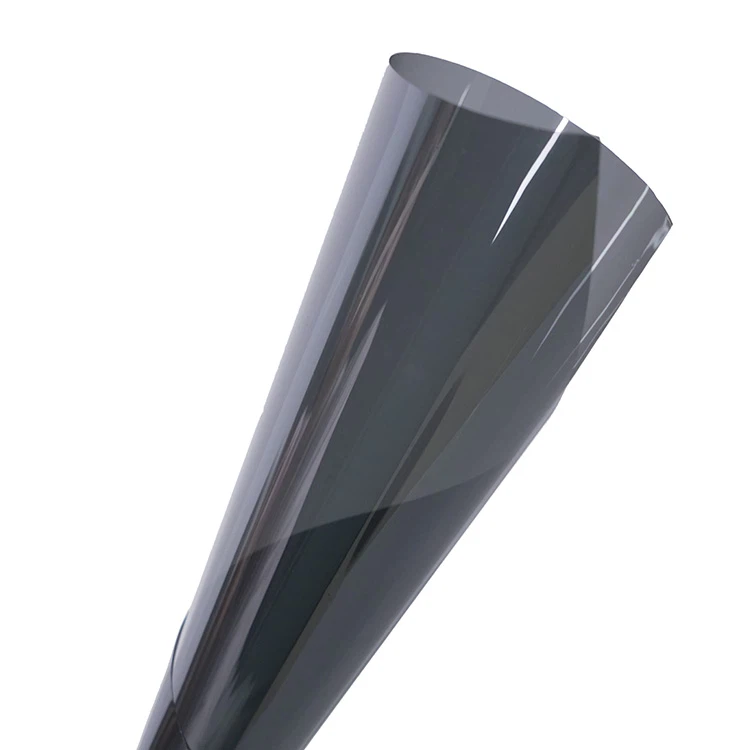
Before we delve into its suitability for various vehicles, let's first understand what Dyed Film High VLT is. Visible Light Transmission (VLT) refers to the percentage of visible light that passes through the window film. A high VLT means that a large amount of visible light can penetrate the film. Dyed films are made by adding dyes to a base polyester film. These dyes absorb a significant amount of solar energy, including heat and some UV rays, while allowing a relatively high amount of visible light to pass through.
Passenger Cars
Passenger cars are the most common type of vehicle on the road. For daily commuting and family use, Dyed Film High VLT can be an excellent choice. In urban driving, where there are frequent stops and starts, and the vehicle is often exposed to sunlight, this film can reduce the interior temperature. The high VLT ensures good visibility, which is crucial for safe driving, especially during night - time or in low - light conditions.
For example, if you're driving in a busy city like New York or Los Angeles, where traffic is heavy and visibility is key, the high VLT of the dyed film allows you to clearly see traffic signs, pedestrians, and other vehicles. At the same time, the film's heat - absorbing properties keep the cabin cooler, making the driving experience more comfortable. Moreover, for family cars, the reduced glare from the sun is beneficial for passengers, especially children and the elderly.
However, if you're a performance car enthusiast who often participates in track days, Dyed Film High VLT might not be the best option. Performance cars are designed for high - speed driving and precision handling. In such cases, the heat - absorbing capacity of dyed films may not be sufficient to keep the interior cool under extreme driving conditions. Additionally, some track regulations may have specific requirements regarding window tinting, and the high VLT might not meet those standards.
SUVs and Crossovers
SUVs and crossovers are popular for their spacious interiors and versatility. Dyed Film High VLT can be a great addition to these vehicles. The large windows of SUVs and crossovers often expose the interior to a significant amount of sunlight. The film's ability to block heat and UV rays helps protect the vehicle's interior from fading and cracking.
For outdoor enthusiasts who use their SUVs for camping, hiking, or other activities, the high VLT ensures that they can enjoy a clear view of the beautiful scenery while on the road. At the same time, it provides privacy for storing equipment inside the vehicle.
On the downside, if you often tow trailers or carry heavy loads with your SUV, the additional heat generated from the engine and the increased friction can put more stress on the vehicle's cooling system. The Dyed Film High VLT may not be as effective in reducing the overall heat load in such situations compared to Top Grade Nano Film Low VLT, which has better heat - rejection capabilities.
Trucks
Trucks are used for a variety of purposes, from commercial hauling to personal use. For light - duty trucks used for daily errands and light towing, Dyed Film High VLT can be a practical choice. It offers protection from the sun's heat and UV rays, which is beneficial for the driver's comfort during long - distance drives. The high VLT also allows for good visibility, which is essential when maneuvering in tight spaces or backing up.
In the case of heavy - duty trucks used for commercial transportation, the situation is more complex. These trucks often operate for long hours under harsh conditions. The heat generated from the engine and the constant exposure to sunlight can make the interior extremely hot. While Dyed Film High VLT can provide some level of heat reduction, it may not be enough to meet the high - heat demands of heavy - duty trucks. Economic Nano Film or Top Grade Nano Film High VLT might be more suitable options as they offer better heat - rejection performance.
Luxury Cars
Luxury cars are all about comfort, style, and high - end features. Dyed Film High VLT can enhance the luxury experience. It provides a sleek appearance while maintaining a high level of visibility. The film's ability to reduce heat and glare adds to the overall comfort of the passengers.
For example, in a luxury sedan like a Mercedes - Benz S - Class or a BMW 7 Series, the high - quality interior is often made of premium materials that are sensitive to sunlight. The Dyed Film High VLT helps protect these materials from fading and damage. However, luxury car owners may also have high expectations regarding heat - rejection performance. In some cases, they may prefer more advanced films that offer better insulation and heat - blocking capabilities.
Limitations of Dyed Film High VLT
One of the main limitations of Dyed Film High VLT is its relatively lower heat - rejection efficiency compared to some other types of window films. Over time, the dyes in the film may fade, especially when exposed to prolonged sunlight. This can affect the film's appearance and its ability to block heat. Additionally, dyed films may not provide as high a level of UV protection as some ceramic or metallic films.
Conclusion
In conclusion, Dyed Film High VLT is not suitable for all types of vehicles. It has its advantages, such as good visibility and heat - absorption for general - purpose use in passenger cars, SUVs, and light - duty trucks. However, for performance cars, heavy - duty trucks, and vehicles with high - end heat - rejection requirements, other types of films may be more appropriate.

If you're considering window film for your vehicle, it's important to assess your specific needs and the type of vehicle you own. As a supplier of Dyed Film High VLT, I'm more than happy to assist you in making the right choice. Whether you're looking for a film that offers high visibility, heat - reduction, or UV protection, I can provide you with the best options based on your vehicle and usage.
If you're interested in purchasing Dyed Film High VLT or would like to discuss your requirements further, please feel free to contact me. I'm ready to have in - depth discussions about your needs and help you find the perfect window film solution for your vehicle.
References
- "Automotive Window Film Technology and Applications" - A research paper on the latest trends in automotive window film technology.
- "The Impact of Window Tinting on Vehicle Interior Temperature" - A study that analyzes the effects of different window films on vehicle interiors.