

As a supplier of PET Color Wrapping Film, one question that frequently comes up from our customers is, "Is PET color wrapping film flammable?" This is a crucial concern, especially considering the various applications of this product, from automotive to interior decoration. In this blog post, I'll delve into the science behind the flammability of PET color wrapping film, providing you with a comprehensive understanding of its safety features.
Understanding PET Color Wrapping Film
PET, or polyethylene terephthalate, is a synthetic polymer that is widely used in various industries due to its excellent mechanical properties, transparency, and chemical resistance. PET Color Wrapping Film is a specialized type of film that is coated with color pigments and adhesives, designed to transform the appearance of surfaces such as cars, furniture, and electronic devices.
Flammability of PET
To understand the flammability of PET color wrapping film, we first need to examine the flammability characteristics of PET itself. PET is a thermoplastic polymer, which means it can melt and flow when heated. Like most polymers, PET is combustible, but its flammability is relatively low compared to other plastics.

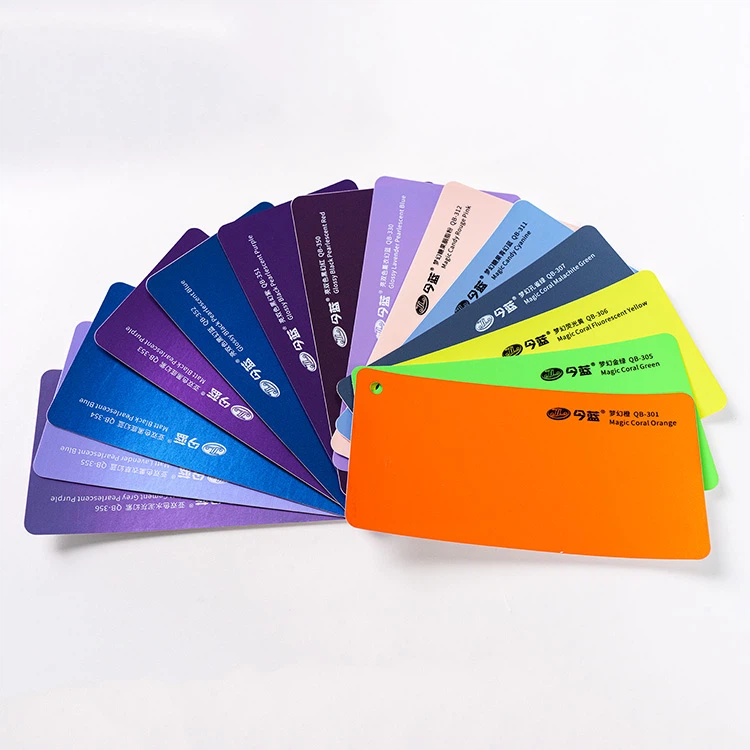
The flammability of a material is typically evaluated using standardized tests, such as the UL 94 test. This test measures the ability of a material to self - extinguish after being ignited. PET generally has a UL 94 rating of HB, which indicates that it burns slowly and has a relatively low flame spread rate.
Factors Affecting the Flammability of PET Color Wrapping Film
While PET itself has a certain level of flammability, the flammability of PET color wrapping film can be influenced by several factors:
1. Thickness of the Film
Thicker films generally have a lower flammability compared to thinner ones. This is because a thicker film can act as a barrier, reducing the rate of heat transfer and oxygen supply to the burning area.
2. Additives
Many PET color wrapping films contain additives such as flame retardants. These additives can significantly reduce the flammability of the film by interfering with the combustion process. Flame retardants work by releasing chemicals that can suppress the flame, cool the burning area, or form a protective layer on the surface of the film.
3. Color Pigments
Some color pigments used in the film may affect its flammability. For example, certain organic pigments may be more flammable than inorganic ones. However, manufacturers usually select pigments that have minimal impact on the overall flammability of the film.
Safety Precautions
Although PET color wrapping film has a relatively low flammability, it is still important to take appropriate safety precautions when using it:
1. Avoid Direct Contact with Open Flames
Do not expose the film to open flames, such as candles, lighters, or welding torches. Even though the film may not catch fire easily, direct contact with a high - temperature source can cause it to melt and release toxic fumes.
2. Store in a Cool and Dry Place
Proper storage is essential to maintain the quality and safety of the film. Store the film in a cool, dry place away from heat sources and direct sunlight. This can prevent the film from deteriorating over time, which could potentially increase its flammability.
3. Follow Installation Instructions
When installing the film, follow the manufacturer's instructions carefully. Improper installation may leave gaps or air pockets, which can increase the risk of fire in case of a heat source nearby.
Comparison with PVC Fantasy Color Wrapping Film
Another popular type of wrapping film is PVC Fantasy Color Wrapping Film. PVC, or polyvinyl chloride, is also a thermoplastic polymer, but its flammability characteristics are different from those of PET.
PVC is more flammable than PET and can release toxic gases such as hydrogen chloride when burned. However, like PET, PVC films can also be treated with flame retardants to reduce their flammability.
Applications and Flammability Concerns
PET color wrapping film is widely used in various applications, including Car Wrapping Film and interior decoration. In automotive applications, the film is exposed to a relatively low - risk environment, but it is still important to ensure its safety.
In interior decoration, the film may be exposed to electrical appliances, heating systems, or other potential heat sources. Therefore, it is crucial to choose a film with appropriate flammability ratings and follow all safety regulations.
Conclusion
In conclusion, PET color wrapping film is combustible, but its flammability is relatively low compared to many other plastics. The flammability of the film can be affected by factors such as thickness, additives, and color pigments. By taking appropriate safety precautions and choosing high - quality films, you can minimize the risk of fire.
As a supplier, we are committed to providing our customers with safe and high - quality PET color wrapping films. Our products are tested to meet industry standards and are designed to offer both aesthetic appeal and safety.
If you are interested in purchasing PET color wrapping film or have any questions about its flammability and safety, please feel free to contact us for a detailed discussion. We look forward to working with you to meet your specific needs.
References
- ASTM International. "Standard Test Methods for Flammability of Plastic Materials for Parts in Devices and Appliances." ASTM D635 - 14.
- Underwriters Laboratories. "UL 94 Standard for Tests for Flammability of Plastic Materials for Parts in Devices and Appliances."