

Dyed film with Low Visible Light Transmission (VLT) is a specialized type of window film that has gained significant attention in the automotive and architectural industries. As a supplier of Dyed Film Low VLT, I am excited to delve into the meaning, benefits, and applications of this remarkable product.
Understanding Dyed Film Low VLT
Visible Light Transmission (VLT) is a crucial metric when it comes to window films. It refers to the percentage of visible light that passes through the film. A low VLT means that only a small portion of visible light can penetrate the film. Dyed film, on the other hand, is a type of window film that contains dyes within its structure. These dyes are responsible for absorbing and filtering light, which in turn affects the film's VLT.
Dyed Film Low VLT typically has a VLT rating of 5% - 35%. Films with such low VLT values are known for their ability to significantly reduce the amount of visible light entering a space. This results in a darker appearance from the outside, offering enhanced privacy. At the same time, it can also block a substantial amount of solar heat, making it an effective solution for temperature control.
Benefits of Dyed Film Low VLT
Privacy
One of the most prominent benefits of Dyed Film Low VLT is privacy. In automotive applications, a low VLT film on the side and rear windows can prevent outsiders from easily seeing inside the vehicle. This is especially useful for luxury cars, limousines, or vehicles used for transporting high - profile individuals. In architectural settings, such as offices or residential buildings, low VLT dyed films can create private spaces without sacrificing natural light completely.
Heat Reduction
Dyed films with low VLT are excellent at reducing solar heat gain. The dyes in the film absorb a significant portion of the infrared radiation from the sun, which is the main source of heat. By blocking this heat, the interior temperature of a vehicle or building can be kept more comfortable. This, in turn, reduces the reliance on air - conditioning systems, leading to energy savings.
Glare Reduction
Glare from the sun can be a major nuisance, especially when driving or working near windows. Dyed Film Low VLT effectively reduces glare by limiting the amount of visible light that enters. This improves visibility and reduces eye strain, making it safer and more comfortable to drive or work in bright sunlight.
Aesthetics
The dark appearance of Dyed Film Low VLT can enhance the overall aesthetics of a vehicle or building. It gives a sleek and sophisticated look, adding a touch of luxury. In the automotive industry, tinted windows are often seen as a stylish accessory that can increase the vehicle's curb appeal.
Applications of Dyed Film Low VLT
Automotive
In the automotive sector, Dyed Film Low VLT is commonly used on side and rear windows. It provides privacy for passengers while also reducing heat and glare. Some states and countries have regulations regarding the maximum allowable VLT for automotive window films, so it's important to ensure compliance when installing these films.
Architectural
For buildings, Dyed Film Low VLT can be applied to office windows, residential windows, and even storefronts. In offices, it can create private workspaces and reduce energy costs. In residential buildings, it can enhance privacy and comfort. For storefronts, it can add a unique and modern look while protecting the interior from solar damage.
Comparison with Other Window Films
Compared to Clear Films
Clear window films typically have a high VLT, allowing most of the visible light to pass through. While they may offer some benefits such as UV protection, they do not provide the same level of privacy, heat reduction, or glare reduction as Dyed Film Low VLT. Clear films are more suitable for applications where maximum visibility is required.
Compared to Metallized Films
Metallized films contain a thin layer of metal that reflects solar heat and light. They are often more effective at heat rejection than dyed films. However, they can also cause interference with electronic devices such as cell phones and GPS systems. Dyed Film Low VLT, on the other hand, does not have this issue and is a more cost - effective option in many cases.
Compared to Ceramic Films
Ceramic films are known for their high - end performance in terms of heat rejection and clarity. They are also non - metallic, so they do not interfere with electronics. However, ceramic films are generally more expensive than Dyed Film Low VLT. For customers on a budget who still want a good balance of privacy, heat reduction, and aesthetics, dyed films can be a great choice.

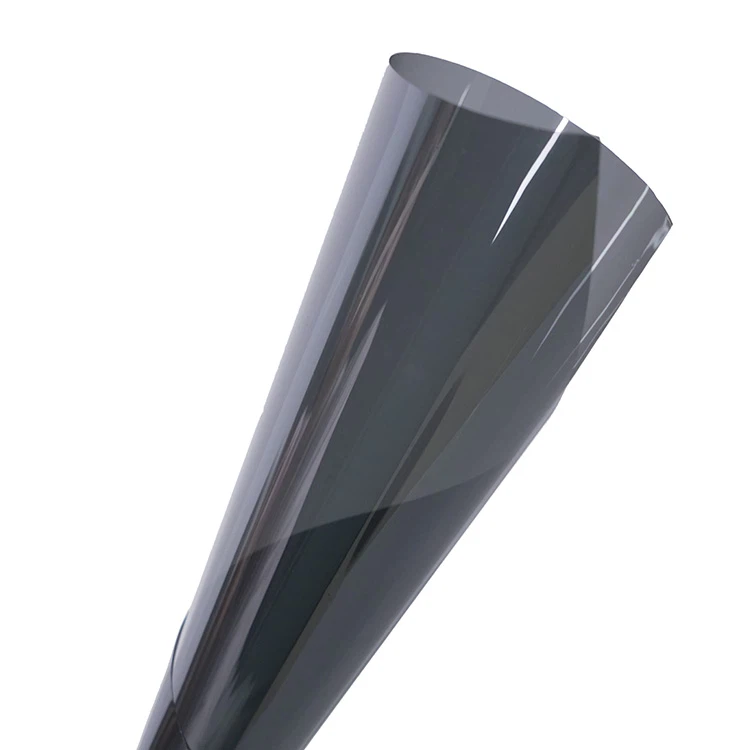
Our Product Range
As a supplier of Dyed Film Low VLT, we offer a wide range of products to meet different customer needs. Our films are made with high - quality dyes and materials, ensuring long - lasting performance.
We also have related products such as Economic Nano Film, which combines the benefits of nano - technology with affordability. The Nano Material On Primary Color PET Film High Heat Rejection is another excellent option for those looking for enhanced heat rejection capabilities. And for sunroofs, our Sunroof Ice Shield provides protection against heat and UV rays.
Contact for Purchase and Consultation
If you are interested in our Dyed Film Low VLT products or any of our other window films, we encourage you to reach out to us. Our team of experts is ready to provide you with detailed information, answer your questions, and assist you in choosing the right film for your specific needs. Whether you are an automotive dealer, an architectural contractor, or a homeowner, we have the solutions for you.
Conclusion
Dyed Film Low VLT is a versatile and valuable product in the window film market. Its ability to provide privacy, reduce heat and glare, and enhance aesthetics makes it a popular choice for both automotive and architectural applications. As a supplier, we are committed to providing high - quality products and excellent customer service. If you are considering window film for your vehicle or building, Dyed Film Low VLT is definitely worth exploring.
References
- "Window Film Technology and Applications" - A comprehensive guide on different types of window films and their uses.
- "Automotive Window Tinting Regulations" - A compilation of regulations regarding window tinting in various regions.
- "Solar Heat Gain and Energy Efficiency in Buildings" - Research on the impact of window films on building energy consumption.