

Yo, what's up everyone! I'm an automotive safety window film supplier, and today I wanna chat about the materials used to make these awesome window films.
First off, let's talk about why automotive safety window films are so important. They're not just for looks, you know. These films can block harmful UV rays, reduce heat inside the car, and even enhance safety by holding the glass together in case of an accident. Cool, right?
Now, let's dive into the materials. There are several types of materials commonly used in making automotive safety window films, and each has its own unique features.
Dyed Films
Dyed films are one of the most basic types of automotive window films. They're made by applying a layer of dye between two layers of polyester film. The dye absorbs the sun's heat and blocks a good amount of UV rays.
The good thing about dyed films is that they're pretty affordable. They're a great option for those on a budget who still want some protection from the sun. However, they don't reflect heat as well as some other types of films, and they may fade over time, especially if they're exposed to a lot of sunlight.
Metalized Films
Metalized films are made by depositing a thin layer of metal, like aluminum, onto a polyester film. These films are really good at reflecting heat, which means they can keep your car cooler on hot days. They also block a high percentage of UV rays.

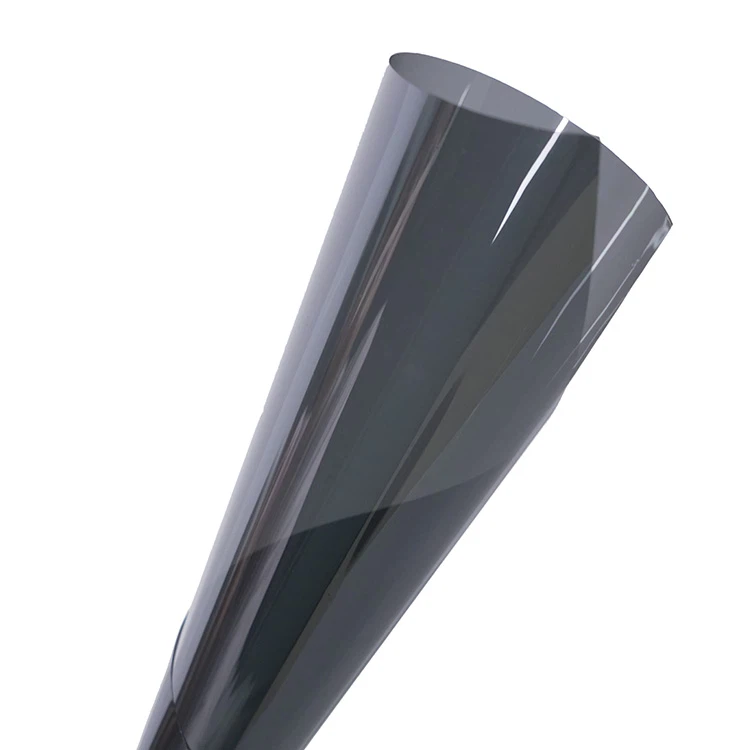
One of the downsides of metalized films is that they can interfere with electronic signals, like your car's radio or GPS. And they can look a bit too shiny or reflective for some people's taste.
Ceramic Films
Ceramic films are a newer type of automotive window film. They're made using ceramic particles, which are embedded in a polyester film. These films are great at blocking both heat and UV rays, without interfering with electronic signals.
Ceramic films are also very durable and don't fade easily. They offer a clear, natural look, so they won't make your car look too flashy. The only drawback is that they're usually more expensive than dyed or metalized films.
Nano Films
Nano films are another cool option. There are different kinds of nano films available in our product line. For example, the Economic Nano Film is a cost - effective choice. It uses advanced nano - technology to provide good heat rejection and UV protection.
The Nano Metallic Window Film combines the benefits of nano - technology with a metallic layer. This film offers excellent heat reflection and high - end performance. And then there's the Economic Nano Film Lightcuring, which has unique light - curing properties that enhance its durability and performance.
Nano films are known for their high - tech features. They can block a significant amount of heat and UV rays, and they often have a very clear and sharp appearance. They're also less likely to interfere with electronic signals compared to traditional metalized films.
How These Materials Work Together
In many cases, automotive safety window films are made by combining different materials to get the best of both worlds. For example, some films may have a layer of dye for basic heat absorption, a layer of metal for heat reflection, and a layer of ceramic for signal - free performance.
This combination allows the film to offer multiple benefits, such as high heat rejection, excellent UV protection, and a clear, non - interfering appearance.
Factors to Consider When Choosing a Film
When you're choosing an automotive safety window film, there are a few things to keep in mind. First, think about your budget. If you're on a tight budget, a dyed film might be the way to go. But if you can afford it, a ceramic or nano film will give you better long - term performance.
Second, consider your climate. If you live in a hot area, you'll want a film that can block a lot of heat. Metalized, ceramic, and nano films are great choices for hot climates.
Third, think about your car's electronics. If you rely on your car's radio, GPS, or other electronic devices, you'll want to avoid films that might interfere with the signals. Ceramic and nano films are usually a safe bet in this case.
Our Product Line
As an automotive safety window film supplier, we're proud to offer a wide range of products made from these different materials. Whether you're looking for an affordable option or a high - end, high - performance film, we've got you covered.
Our Economic Nano Film is perfect for those who want a good balance between cost and performance. It provides decent heat rejection and UV protection at a reasonable price.
The Nano Metallic Window Film is for customers who demand top - notch heat reflection and high - end features. It's a great choice for luxury cars or for those who live in extremely hot areas.
And the Economic Nano Film Lightcuring offers unique properties that make it stand out. Its light - curing technology ensures long - lasting performance and durability.
Why Choose Our Films
We take pride in the quality of our automotive safety window films. All our products are tested to meet strict industry standards. We use high - quality materials and advanced manufacturing processes to ensure that our films offer the best protection and performance.
Our team of experts is always ready to help you choose the right film for your car. We can answer all your questions and provide you with detailed information about each product.
Let's Talk Business
If you're interested in purchasing automotive safety window films for your cars or for your business, don't hesitate to reach out. We're open to discussions about bulk orders, custom solutions, and competitive pricing. Whether you're a car dealership, an auto detailer, or just a car enthusiast, we can work together to find the best window film solutions for you.
References
- "Automotive Window Films: A Guide to Selection and Installation" by Smith, J. (2020)
- "The Science of Window Film Materials" by Johnson, R. (2019)
- Industry reports from the International Window Film Association