


Why Choose Us
Our Product
Automotive Window Film, Paint Protective Film, Color Wrapping Film, and Building Window Film.
Our Certificate
ISO-9001, ISO-14001, IATF-16949, IWFA Manufacturer Member, 8 Invention Patents, 23 Utility patents, etc.
Production Market
Southeast Asia 10%, Oceania 5%, Mid East 5%, domestic 80%.
Production Equipment
Burdening Machine, Coating Machine, Fitting Machine, Testing Machine.

Nano Ceramic Window Film Series uses the world top class PET base and has high heat rejection, gives passengers great experience.

As a member of IWFA, we always supply high quality window film, and devoted ourselves to window films for many years. Nano Ceramic Window Film Series has optical clarity, can keep comfort zone for car's owner.

Nano Metallic Window Film High Spec
Metallic Sputtering nano film renowned for its glossy and mirrored appearance, this series fortifies against the sun's most unwanted side effects, combines top grade PET base with nano ceramic functional material, gives you the top grade experience of solar film and high exterior visible reflection to protect your privacy.

Nano Metallic Window Film provide ultra clarity, with the function of nano film and metallic luster appearance gives you the top grade experience of solar film and high exterior visible reflection to protect your privacy.

Economic Nano Film Lightcuring
The Light Curing Tinting Film Series was well-known for its affordable prices and energy-saving features, which included lower interior and external reflectance and better daytime and nighttime views of the outside.
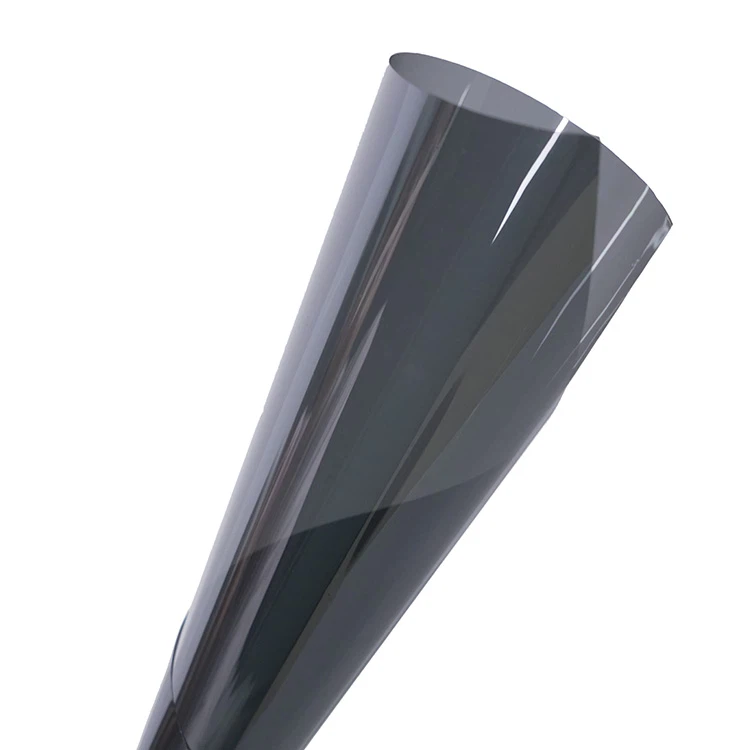
This series of products has excellent performance, reasonable price and. Our technical patents and quality control system can ensure product quality and competitive prices.

Nano Primary Color PET Film High Spec
Nano Primary color PET film High spec is made by primary PET film with nano coating which is very economic and high quality. We are a factory with technical patents and many years of production experience.

Nano Primary Color PET Film High Heat Rejection
High Heat Rejection Ceramic Window Film Series offer excellent performance on heat rejection and energy savings.

By using natural PET with nano materials, different color options can be achieved at a very cost-effective price.
Heat rejection film, also known as window tints, is a thin, multi-layered polyester material applied to the interior of your car's windows. It is designed to block out a significant portion of the sun's heat, UV rays, and glare, providing a more comfortable driving experience for you and your passengers.
A Comprehensive Guide Of Heat Rejection Film
Heat rejection is an important factor to consider when it comes to window tinting. It refers to the ability of a window film to block or reduce the amount of heat that is transmitted through a window. This can be especially important in hot climates, where high levels of heat entering a building or car can make it uncomfortable and costly to cool. By understanding how heat rejection works, you can make an informed decision about which window film is best for your needs.
There are several ways in which window film can reject heat. One of the most common is through the use of reflective coatings. These coatings are applied to the surface of the window film and reflect incoming solar energy back out into the environment. This can be especially effective at reducing the amount of heat that is transmitted through the window, as it prevents the heat from being absorbed by the window in the first place.
Another way that window film can reject heat is through the use of insulating layers. These layers are sandwiched between layers of clear film and work to reduce the amount of heat that is transmitted through the window by trapping air within their structure. The trapped air acts as an insulating layer, preventing heat from being transferred from the outside to the inside of the building.
There are also window films that are designed to absorb heat rather than reflect it. These films are typically made of a material that is able to absorb and store heat energy, and then release it slowly over time. This can help to even out temperature fluctuations within a building, making it more comfortable and energy efficient.
When selecting a window film for heat rejection, it is important to consider the climate in which you live. In hot climates, a film with a high level of heat rejection may be necessary to keep your building cool and comfortable. In cooler climates, a film with a lower level of heat rejection may be sufficient.
It is also important to consider the type of window that you have. Some window films are more effective at rejecting heat on certain types of windows than others. For example, low-e (low emissivity) windows are designed to reflect heat and are often more effective at rejecting heat than other types of windows.
In addition to the type of window film, the thickness of the film can also affect its ability to reject heat. Generally, thicker films will offer more heat rejection than thinner films, but this can vary depending on the specific film being used.
It is also important to consider the type of adhesive used to apply the window film. Some adhesives are more effective at preventing heat from being transmitted through the window than others.
Key Benefits of Heat Rejection Film Cars
Temperature Control: One of the primary advantages of heat rejection film is its ability to regulate the temperature inside your car. By blocking out infrared radiation, heat rejection film helps keep your car cooler, reducing the need for excessive air conditioning and saving you money on fuel.
UV Protection: Prolonged exposure to UV rays can cause discomfort and damage your car's interior. Heat rejection film provides excellent UV protection, shielding your upholstery, dashboard, and other interior components from fading, cracking, and warping.
Glare Reduction: Glare from the sun or other vehicles' headlights can be distracting and dangerous while driving. Heat rejection film significantly reduces glare, allowing for better visibility and reducing eye strain, especially during dawn, dusk, or sunny days.
Privacy: Tinted windows offer added privacy, making it difficult for outsiders to see your vehicle. This added security can protect your belongings and enhance your safety while driving or parked.
Enhanced Style: In addition to its practical benefits, heat rejection film can also improve the appearance of your vehicle. With various tint shades to choose from, you can customize the look of your car while enjoying all the advantages of heat rejection technology.
How Can a Heat Rejection Film Reduce Heat?

Absorption
When installed correctly, a heat rejection window tint can absorb much of the sun's energy. The tinted film is designed to absorb specific wavelengths of light, including those associated with heat. When the film absorbs this energy, it transforms it into a different form, preventing it from entering the vehicle.

Reflection
Another way window tint heat rejection works is by reflecting a portion of the sun's energy into the atmosphere. The tinted film is engineered to bounce off specific wavelengths of light, including those responsible for heat. When these wavelengths are reflected, they act like a shield, turning away the sun's heat and keeping it from penetrating the car's windows.

Heat dissipation
Lastly, a heat rejection window tint can dissipate a small amount of the absorbed heat. Instead of simply holding onto the energy, these tints are designed to release it back into the surrounding air. This process helps further reduce the amount of heat entering the vehicle.
Maintenance And Care Tips For High-Performance Heat Rejection Film
Cleaning and Maintaining Tinted Windows Proper maintenance is crucial for preserving the effectiveness of high-performance window tinting. provide practical tips on cleaning and maintaining tinted windows to ensure longevity and continued benefits.
Avoiding Common Pitfalls Common pitfalls, such as using abrasive cleaning materials or neglecting regular maintenance, can compromise the heat rejection capabilities of window tinting. guide readers on how to avoid these pitfalls for sustained performance.
Long-Term Benefits of Proper Maintenance Emphasizing the long-term benefits of proper maintenance encourages car owners to invest time and effort in caring for their window tinting.reinforces the idea that maintenance is not just about aesthetics but also about preserving the functional benefits of heat rejection.
The Role Of Heat Rejection Film
Temperature Regulation
Excess heat from the sun that enters your space can make the air conditioners work hard to ensure a comfortable temperature inside. By functioning as a shield against solar heat gain, heat rejection window film efficiently lowers the quantity of heat that enters your house or place of business through the windows. This controls indoor temperatures, keeping the area cooler even during the hottest summer months. This will not only provide you comfort but also provide you energy savings.
UV Protection
Do you know how dangerous ultraviolet (UV) rays can be? Apart from tanning, exposure to UV rays can result in premature skin aging and even skin cancer. These rays also have a role in the fading and degradation of indoor furnishings including carpeting, artwork, and furniture. So heat rejection window film keeps damaging UV rays from passing through the glass. Your indoor goods are protected by the film, which prolongs their lives and preserves their visual appeal by blocking off UV rays.
Reduction of Glar
Sunlight glare can be an ongoing annoyance that reduces comfort and productivity, particularly in homes or places of business with lots of natural light. By blocking out extra sunlight, heat rejection window film efficiently lowers glare and improves the visual comfort of the space. The coating reduces glare so you can enjoy better sight and sharper visuals indoors, whether you're working on a computer, watching TV, or just lounging around.
Enhanced Privacy
Heat-rejection window films come with advantages beyond UV protection and controlling temperature. These films provide windows with a certain amount of obscurity to keep prying eyes out of your home without blocking natural light. Furthermore, certain security films are made with reinforced glass, which increases the windows' resistance to breaking and intruders.
Eco-Friendly Solution
An increasing number of businesses and households are looking for sustainable ways to lower their carbon footprint as environmental awareness grows. An environmentally acceptable substitute for energy-intensive conventional temperature control techniques like air conditioning is heat rejection window film. Window film contributes to environmental sustainability by minimizing greenhouse gas emissions and cutting energy usage and dependency on HVAC systems.
Types of Heat Rejection Film
Dyed Films
Dyed films are the most budget-friendly type of window tint film, and while not as ideal for heat reduction as other types of film, they are capable of absorbing a lot of solar energy. Dyed films can look great when they are professionally installed and can provide a lot of bang for your buck. However, they are also prone to fading over time.
Metalized Films
Metalized films are one of the best types of window tint film for the purpose of heat reduction. Metalized window tint contains tiny metallic particles embedded in the film, and these metal particle work to reflect the sun's rays – including UV rays. Metalized window tint also offers the additional benefit of strengthening your window's structural integrity and making it more shatter-resistant and scratch-resistant. However, one surprising drawback of metalized films is that they can cause signal interference, potentially affecting your ability to use your cell phone or radio while inside your car.
Ceramic Films
Ceramic tint is one of the best options for window tinting because these are really effective, high-quality, and good-looking films. When it comes to heat and UV rejection, ceramic window tint is able to block up to 50% of solar heat and up to 99% of UV rays. They are also durable and long-lasting, and they won't affect cell phone/radio signals the way metalized films are prone to do.
IR Absorbing Multi-Layer Films
Now when it comes to the best of the best, it doesn't get much better than a multi-layer window film. With a bigger price tag, this option lets you really enjoy the heat-reducing benefits of window tinting without actually making your windows darker. These window tint films offer maximum visibility while still managing to block both solar heat and UV radiation. FormulaOne's Stratos film is one of the best, offering multiple layers and innovative heat-absorbing nano-ceramic particles.
Our Factory
We have two main production bases, Suzhou Industrial Park production base and Wujiang production base, with professional teams of experienced R&D, manufacturing, sales and marketing.

FAQ
Q: Does window film really insulate?
Q: Is heat rejection film legal?
Q: Can heat rejection film be installed on any vehicle?
Q: How long does heat rejection film last?
Q: Does heat rejection film affect visibility at night?
Q: How does heat rejection film work?
Q: Is heat rejection tint worth it?
Ceramic tint is highly effective at blocking out heat from the sun. It can significantly reduce the amount of heat that enters the car, keeping the interior cooler and more comfortable. This is especially beneficial on hot summer days.
Q: What is the best car tint for heat rejection?
Both ceramic and carbon tints offer superior heat rejection and UV protection, but ceramic tint tends to be more durable and longer-lasting. Carbon tint can be a good option for those on a budget, but if you want the best performance and longevity, we recommend going with ceramic tint.
Q: Which tint blocks the most heat?
Ceramic tint is one of the best options for window tinting because these are really effective, high-quality, and good-looking films. When it comes to heat and UV rejection, ceramic window tint is able to block up to 50% of solar heat and up to 99% of UV rays.
Q: Will window film keep cold out?
By allowing for both better heating and cooling, window film doesn't just keep the cold out. It leads to year-round energy savings. With reduced utility bills, you can get a little extra money back in your pocket.
Q: Does heat rejection film work?
Q: What is the problem with window film?
Q: What is the lifespan of window film?


