


Why Choose Us
Our Product
Automotive Window Film, Paint Protective Film, Color Wrapping Film, and Building Window Film.
Our Certificate
ISO-9001, ISO-14001, IATF-16949, IWFA Manufacturer Member, 8 Invention Patents, 23 Utility patents, etc.
Production Market
Southeast Asia 10%, Oceania 5%, Mid East 5%, domestic 80%.
Production Equipment
Burdening Machine, Coating Machine, Fitting Machine, Testing Machine.

Nano Ceramic Window Film Series uses the world top class PET base and has high heat rejection, gives passengers great experience.

As a member of IWFA, we always supply high quality window film, and devoted ourselves to window films for many years. Nano Ceramic Window Film Series has optical clarity, can keep comfort zone for car's owner.

Nano Metallic Window Film High Spec
Metallic Sputtering nano film renowned for its glossy and mirrored appearance, this series fortifies against the sun's most unwanted side effects, combines top grade PET base with nano ceramic functional material, gives you the top grade experience of solar film and high exterior visible reflection to protect your privacy.

Nano Metallic Window Film provide ultra clarity, with the function of nano film and metallic luster appearance gives you the top grade experience of solar film and high exterior visible reflection to protect your privacy.

Economic Nano Film Lightcuring
The Light Curing Tinting Film Series was well-known for its affordable prices and energy-saving features, which included lower interior and external reflectance and better daytime and nighttime views of the outside.
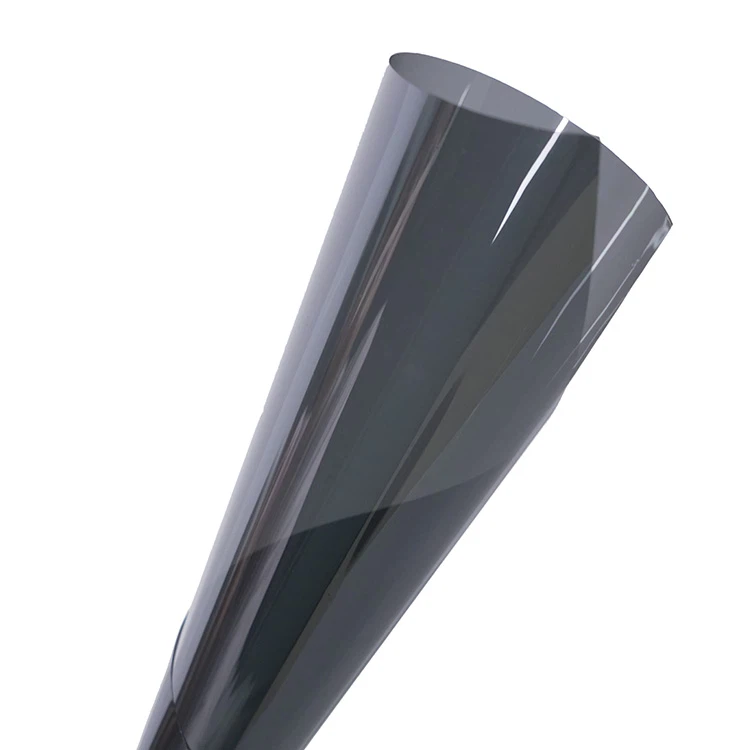
This series of products has excellent performance, reasonable price and. Our technical patents and quality control system can ensure product quality and competitive prices.

Nano Primary Color PET Film High Spec
Nano Primary color PET film High spec is made by primary PET film with nano coating which is very economic and high quality. We are a factory with technical patents and many years of production experience.

Nano Primary Color PET Film High Heat Rejection
High Heat Rejection Ceramic Window Film Series offer excellent performance on heat rejection and energy savings.

The dyed with low VLT film reduces glare and excessive light from outside the vehicle. Available from 152cm width to all sizes requested.
UV-Blocking window tints, a unique type of window film, are designed to curtail the sun's ultra-violet radiation transmission. Crafted from layers of robust polyester laminate, these tints can absorb or deflect up to 99% of UV rays, providing a robust shield against harmful solar radiation.
What are UV-Blocking Window Tints and their Functionality
UV-blocking window tints are slender laminates or films, typically crafted from premium polyester, affixed to car windows' inner surfaces. Their primary purpose is to diminish the transmission of ultraviolet (UV) rays, visible light, and heat through the car windows.
The functionality of UV-blocking window tints lies mainly in their ability to reduce or absorb UV rays. These tints are specifically treated with UV-absorbing chemicals. When the sun's UV light hits the tinted window, it is either absorbed by the film or reflected, blocking up to 99% of harmful UV rays and preventing them from penetrating the vehicle, thus protecting its occupants and interiors.
In addition to absorbing and reflecting UV rays, these window tints also decrease visible light and heat transmission. This feature proves particularly beneficial during the hotter months, as it helps maintain a cooler interior in the vehicle, contributing to a more comfortable journey.
To boost their functionality, UV-blocking tints have an adhesive layer that ensures the film adheres to the window glass and a protective top coat to ward off scratches and prolong the film's effectiveness and lifespan.
In summary, UV-blocking window tints are an effective barrier against harmful solar radiation while ensuring thermal comfort within your vehicle. The subsequent sections will delve into these tints' careful selection, installation, and maintenance.
Exploring the Types of UV Protection Window Film
UV-blocking window tints: The market offers many options, each with its unique blend of materials and benefits. Your choice will impact not only the performance of the tint but also its aesthetic appeal, longevity, and price point.
Dyed Window Tint: An affordable option, dyed window tint is crafted by infusing dye into the adhesive layer. This type of tint offers UV and heat protection while enhancing privacy due to its opaque nature. However, it's worth noting that its sun-blocking efficiency may wane over time.
Metallized Tint: This variant incorporates minuscule metallic particles, which fortify the window and curtail UV and heat penetration. Its durability and scratch-resistance outshine dyed tint, but the metallic content could disrupt cell phone and GPS signals.
Carbon Window Tint: This metal-free tint excels in UV and infrared protection, glare reduction, and upholstery fade prevention. It's signal-friendly and boasts a long-lasting resistance to fading.
Ceramic Tint: Although pricier, ceramic tint is the premium choice for comprehensive UV and heat protection without compromising signal quality. It stands out for its durability, glare resistance, and fade-proof properties.
Crystalline Tint: This high-end, virtually clear tint offers unmatched UV and infrared heat protection while maintaining your vehicle's original appearance. Despite its higher cost, it's the go-to choice for those seeking inconspicuous protection.
Ultimately, the perfect tint hinges on your priorities-budget, aesthetics, durability, or UV protection level. There's a tint to meet your needs.
When selecting a UV-blocking window tint, it's essential to consider several factors to ensure the product aligns with your specific requirements.
Start by examining the UV protection level. The window film you opt for should offer the highest protection against UV rays. Aim for tints that block up to 99% of harmful UV rays, safeguarding the skin health of those inside the vehicle.
Next, take into account the tint's heat rejection properties. For those residing in warmer climates or frequently parking in the sun, a UV-blocking tint with superior heat rejection can maintain a comfortable and safe interior temperature, lessening the strain on your vehicle's air conditioning system.
Don't underestimate the importance of glare reduction. A well-chosen tint can minimize glare-induced distractions, enhancing safety and driving enjoyment.
Privacy is another key consideration. Depending on your comfort level and local regulations, you might prefer a tint that significantly restricts visibility into your vehicle from the outside.
Finally, be mindful of the legal implications of car window tints. Tint darkness, referred to as tint percentage or VLT (Visible Light Transmission), is subject to different regulations across regions. It's crucial to acquaint yourself with local laws to avoid potential fines or penalties.
By considering these factors, you can ensure that your chosen UV-blocking window tint not only meets your needs and expectations but also complies with legal requirements and enhances your vehicle's aesthetic appeal.

Navigating the Installation Process of UV Protection Window Film

Choosing a Professional Installer: Opting for a professional installer is a wise move, as they possess the necessary expertise, tools, and methods to ensure a flawless and durable application.
Preparation: The first step involves meticulously cleaning the windows to create a dust and dirt-free surface. This is crucial as any residual debris could cause bubbles or negatively impact the adhesion of the tint.
Application: The installer then carefully applies the pre-cut tint to the interior side of the window, taking care to avoid creases and imperfections. A heat source is often used to secure the tint to the window.
Timeline: While the installation might only take a few hours, it's generally advised to keep the windows rolled up for a few days afterward. This allows for adequate curing time and ensures optimal adhesion.
Inspection: Post-installation, the installer will typically provide guidelines on inspecting the tint-for signs of peeling, discoloration, or bubbling. This can help detect any issues early and ensure they're addressed promptly.
Window tint installation aims to achieve a flawless, long-lasting finish that enhances your vehicle's aesthetics and functionality. Selecting the right professional installer and being well-versed in the process is instrumental in achieving this goal.
Care and Maintenance of UV Protection Window Film
While UV-blocking window tints are a practical solution for boosting your vehicle's privacy and security, they necessitate care to maintain optimal conditions. The longevity and effectiveness of your window tint investment are largely contingent on your maintenance efforts. In the subsequent section, we'll delve into essential practices, from cleaning to addressing minor damages, to ensure your window tint remains functional and visually appealing for years.
Maintaining Your Tint
Preserving the quality of your UV-blocking window tint involves a combination of gentle cleaning methods and vigilant damage control. Here are some guidelines to help you keep your tint in prime condition:
Adopting Appropriate Cleaning Methods: The longevity of your tinted windows can be significantly impacted by the cleaning products you use. It's crucial to avoid ammonia-based window cleaners, as they can gradually wear down the tint. Instead, choose a soft microfiber cloth or sponge to delicately clean your tinted windows, preventing potential scratches.
Allowing Sufficient Drying Time: Following the installation of your window tint, a specific drying period is necessary. To avoid any peeling, it's advised to keep your windows rolled up for a few days post-installation.
Steering Clear of Sharp Objects: Sharp objects pose a risk to your window tint, with the potential to scratch or tear it. Exercise caution when handling items that could come into contact with your tinted windows, particularly during loading and unloading.
Addressing Minor Damages Promptly: If you spot a minor tear or bubble in your tint, it's recommended to seek immediate professional assistance. Attempting to repair it yourself could lead to further complications, so it's best to leave it to the experts.
Conducting Regular Inspections: Make it a habit to routinely inspect your window tints for any signs of wear and tear or changes in color. Early detection of any issues will allow you to address them promptly, ensuring the continued effectiveness of your tints.
Benefits of UV Protection Window Film in Car
Health Protection from Harmful UV Rays
Prolonged exposure to the sun can have many adverse health effects, primarily due to ultraviolet (UV) radiation. This radiation is categorized into three types: UVA, UVB, and UVC. While most UVC radiation is absorbed by the earth's atmosphere, UVA and UVB can pose significant health threats.
Preservation of Car Interior
UV-protected window tints serve as a shield for your health and the longevity of your car's interior. The harmful UV rays, if left unchecked, can wreak havoc on your vehicle's interior, causing fading, cracking, or peeling, especially on leather or other UV-sensitive materials.
Comfort, Privacy, and Safety Enhancements
The advantages of UV-protected car window tints extend beyond health protection and vehicle preservation. They significantly improve your driving comfort, ensure privacy, and enhance safety on the road.
Boost in Vehicle Aesthetics
UV-protected window tints offer more than just practical advantages; they also significantly enhance the visual appeal of your vehicle. With a wide array of tint shades, you can tailor your car's look to match your personal style, creating a unique aesthetic that stands out.
Energy Efficiency and Durability
UV-protected window tints also contribute to your vehicle's energy efficiency and durability, offering long-term benefits.
By filtering out a substantial amount of the sun's heat, these tints help maintain a cooler interior environment in your car. You may rely less on air conditioning to stay comfortable, leading to reduced fuel usage and increased fuel efficiency. This makes UV-protected windows an environmentally friendly choice, as they help decrease your vehicle's energy consumption and reduce your carbon footprint.
Our Factory
We have two main production bases, Suzhou Industrial Park production base and Wujiang production base, with professional teams of experienced R&D, manufacturing, sales and marketing.

FAQ
Q: What are the privacy benefits of UV-blocking window tints?
Q: How do UV-blocking window tints enhance security?
Q: Do UV-blocking window tints obstruct the view from the inside?
Q: Does the effectiveness of UV-blocking window tints reduce over time?
Q: Can UV-blocking window tints prevent damage to interior furnishings?
Q: Are UV-blocking window tints energy efficient?
Q: Does UV window film really work?
Q: How long does UV film last on windows?
Q: Does UV film go on inside or outside of window?
For an interior film, the UV protection is the first thing the sun hits before it hits the film. Window films applied to the inside effectively block harmful UV rays, reducing fading and damage to interior furnishings, flooring, and artwork.
Q: Is UV window film worth it?
Q: What is the best UV protection window film?
Q: How do you clean windows with UV protective film?
Q: How long does UV protection last on windows?
Q: How can you tell if a window has UV protection?


