

Can heat rejection film be used on display screens? This is a question that often comes up in various industries, especially as technology continues to evolve, and the demand for better display performance and energy efficiency grows. As a supplier of Heat Rejection Film, I'm well - placed to delve into this topic and provide a comprehensive analysis.
Understanding Heat Rejection Film
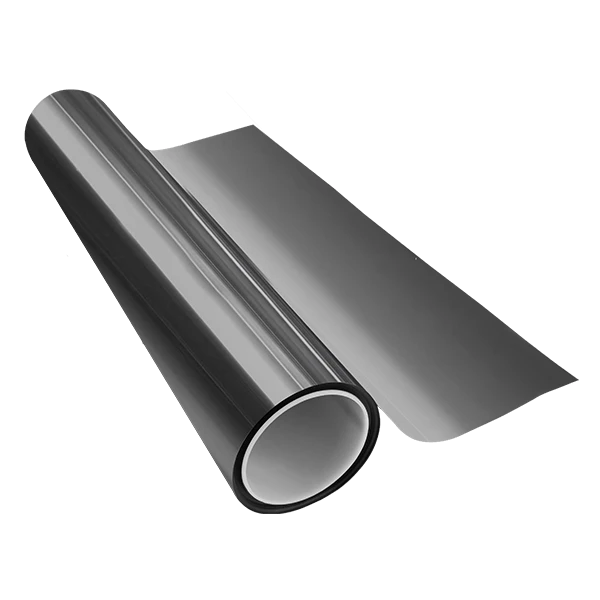
Before we discuss the applicability of heat rejection film on display screens, it's essential to understand what heat rejection film is. Heat rejection film is a type of window film designed to reduce the amount of solar heat that passes through glass. It works by reflecting or absorbing infrared (IR) radiation, which is the primary source of heat from the sun. Our Heat Rejection Film is specially engineered with advanced materials and technologies to achieve high heat rejection rates. Not only does it help in maintaining a cooler indoor environment, but it also reduces the energy consumption of air - conditioning systems, making it an environmentally friendly and cost - effective solution for buildings.
The Working Principle of Display Screens
Display screens, such as those on televisions, monitors, and smartphones, operate based on different principles. Liquid Crystal Displays (LCDs), for example, use liquid crystals that change their orientation when an electric current is applied, allowing light to pass through or be blocked to create an image. Organic Light - Emitting Diodes (OLEDs) emit light directly when an electric current is passed through them. In both cases, heat is generated during operation. The heat can come from the backlighting system in LCDs or the electrical components in both LCDs and OLEDs. Excessive heat can affect the performance and lifespan of display screens. It can cause color shifts, reduce contrast, and even lead to permanent damage to the display components.
Potential Benefits of Using Heat Rejection Film on Display Screens
Temperature Regulation
One of the most significant benefits of applying heat rejection film to display screens is temperature regulation. By reducing the amount of external heat absorbed by the screen, the film can help maintain a more stable internal temperature. This is particularly important in outdoor displays or displays in high - temperature environments. For example, digital billboards placed under direct sunlight can get extremely hot, which may degrade the image quality over time. Our heat rejection film can reflect a large portion of the solar heat, keeping the screen cooler and ensuring consistent performance.
Energy Efficiency
When a display screen operates at a lower temperature, it generally consumes less energy. This is because the internal components don't have to work as hard to dissipate the heat. In large - scale display installations, such as in corporate offices or shopping malls, the cumulative energy savings can be substantial over time. By using our heat rejection film, businesses can not only reduce their energy costs but also contribute to a greener environment.
Protection Against UV Rays
In addition to heat, display screens are also exposed to ultraviolet (UV) rays. UV rays can cause fading and damage to the screen's surface and the internal components. Our heat rejection film also has UV - blocking properties, similar to our UV Protection Window Film. It can block a significant portion of UV rays, protecting the display screen from long - term damage and extending its lifespan.
Challenges and Limitations
Optical Quality
One of the main challenges of using heat rejection film on display screens is maintaining optical quality. Display screens are designed to provide clear, sharp, and accurate images. The addition of a film can potentially affect the screen's clarity, color accuracy, and contrast. For example, if the film has a high reflectivity, it may cause glare and reflections, which can be distracting to the viewer. Our R & D team is constantly working on improving the optical properties of our heat rejection film to minimize these effects. We are developing films with anti - glare and low - reflection coatings to ensure that the image quality of the display screen remains unaffected.
Adhesion and Compatibility
Another challenge is ensuring proper adhesion and compatibility between the heat rejection film and the display screen. Different display screens have different surface materials and textures, and the film needs to adhere securely without causing any bubbles or peeling. In addition, the film should not interact chemically with the screen's surface or the internal components, which could potentially damage the screen. Our heat rejection film is tested rigorously for adhesion and compatibility with a wide range of display technologies, ensuring a safe and reliable application.

Real - World Applications and Case Studies
Although the use of heat rejection film on display screens is still a relatively new concept, there are already some successful real - world applications. For example, in a large outdoor shopping complex, digital signage displays were installed in areas with high sunlight exposure. After applying our heat rejection film, the operators noticed a significant improvement in the display's performance. The screens were cooler, and the image quality was more consistent throughout the day. There were fewer color shifts and less glare, which enhanced the visual experience for the shoppers.
Comparing with Other Window Films
While heat rejection film has its unique advantages when it comes to display screens, it's also important to compare it with other types of window films. For example, Security Window Film is mainly designed to provide protection against breakage and intrusion. Although it may have some heat - blocking properties, it's not optimized for heat rejection like our dedicated heat rejection film. UV protection window film, on the other hand, focuses primarily on blocking UV rays. While our heat rejection film also has UV - blocking capabilities, it offers a more comprehensive solution by addressing both heat and UV protection, as well as potential optical challenges related to display screens.
Conclusion
In conclusion, heat rejection film can be used on display screens, and it offers several potential benefits, including temperature regulation, energy efficiency, and UV protection. However, there are also challenges to overcome, such as maintaining optical quality and ensuring adhesion and compatibility. As a leading supplier of heat rejection film, we are committed to continuous research and development to improve the performance of our film and make it an ideal solution for display screens.
If you are interested in exploring the use of heat rejection film for your display screens or other applications, we welcome you to contact us for further discussion and procurement. We can provide customized solutions based on your specific requirements and ensure a seamless installation process.
References
- "Advanced Window Film Technologies for Energy Efficiency and Comfort" by XYZ Publishing
- "Display Screen Technology and Thermal Management" by ABC Research Institute
- "The Impact of Solar Radiation on Display Screens" by DEF Journal of Technology