

In the realm of automotive window films, the choice between different types can significantly impact the overall driving experience. As a supplier of Top Grade Nano Film Low VLT, I've witnessed firsthand the growing interest in understanding how this product stacks up against nano - ceramic films, especially in terms of light transmission. This blog post aims to delve into a detailed comparison, shedding light on the unique features and performance of both types of films.
Understanding Light Transmission (VLT)
Visible Light Transmission (VLT) is a crucial metric when it comes to window films. It refers to the percentage of visible light that passes through the film and into the vehicle. A lower VLT means less light is transmitted, resulting in a darker window appearance. Top Grade Nano Film Low VLT, as the name suggests, is designed to have a relatively low VLT, offering enhanced privacy and reduced glare. On the other hand, nano - ceramic films come in a range of VLT options, allowing consumers to choose based on their specific needs.
Top Grade Nano Film Low VLT: Features and Benefits
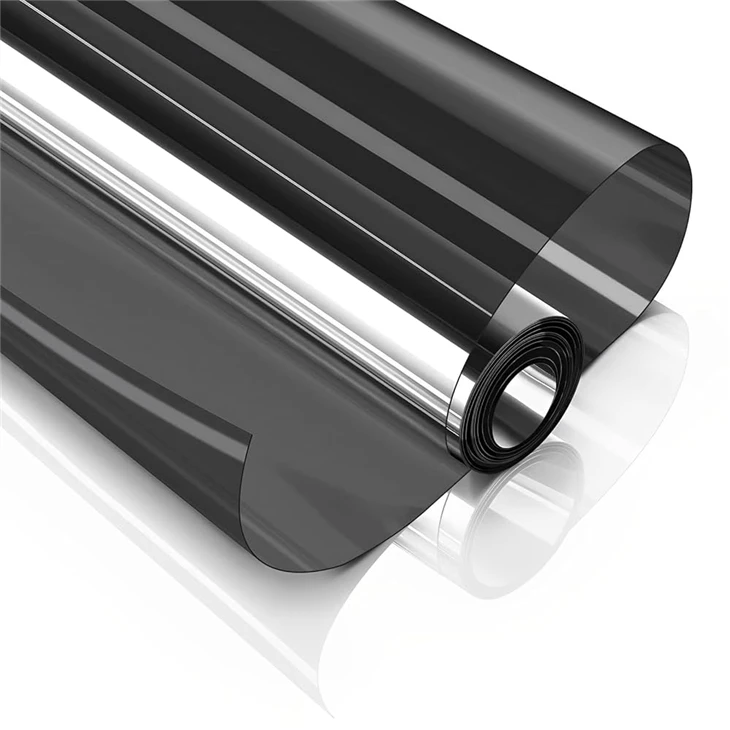
Our Top Grade Nano Film Low VLT is engineered using advanced nanotechnology. The film is composed of multiple layers of nano - sized particles that are precisely arranged to achieve optimal performance. One of the key advantages of this film is its ability to block a significant amount of infrared (IR) and ultraviolet (UV) rays while maintaining a low VLT. This not only helps in keeping the vehicle interior cool but also protects the upholstery and dashboard from fading.
The low VLT of our film provides excellent privacy, making it ideal for those who value their personal space while on the road. It also reduces glare from the sun and oncoming headlights, enhancing driving safety, especially during bright sunlight or at night. Additionally, the nano - structure of the film gives it a high scratch resistance, ensuring long - lasting performance.
For more information on our nano - based products, you can visit Nano Material On Primary Color PET Film and Nano Metallic Window Film High Spec.
Nano - Ceramic Films: An Overview
Nano - ceramic films are another popular choice in the automotive window film market. These films are made by embedding ceramic nanoparticles into a polymer matrix. Ceramic materials are known for their excellent heat - blocking properties and high chemical stability.
One of the main benefits of nano - ceramic films is their high clarity. They allow a relatively high amount of visible light to pass through while still providing effective heat rejection. This makes them a great option for drivers who want to maintain good visibility without sacrificing heat protection. Nano - ceramic films also do not interfere with electronic signals, such as GPS, Bluetooth, or cellular reception, which can be an issue with some metallic - based films.
If you're interested in an economic option of nano - ceramic films, check out Economic Nano Ceramic Film.
Light Transmission Comparison
When comparing the light transmission of Top Grade Nano Film Low VLT and nano - ceramic films, the most obvious difference lies in the range of VLT values. Our Top Grade Nano Film Low VLT typically has a VLT between 5% - 20%, which creates a very dark tint. This is suitable for those who prioritize privacy and maximum glare reduction.
In contrast, nano - ceramic films usually offer a wider range of VLT options, from as low as 5% to as high as 70% or more. This flexibility allows consumers to choose a film that best suits their needs, whether it's a darker tint for privacy or a lighter tint for better visibility.
However, it's important to note that a lower VLT doesn't always mean better performance. While our Top Grade Nano Film Low VLT provides excellent privacy and glare reduction, it may also make it more difficult to see out of the vehicle, especially in low - light conditions. Nano - ceramic films with higher VLT values offer better visibility, which can be a significant advantage for safe driving.
Heat Rejection and Light Transmission
Light transmission is closely related to heat rejection. Both Top Grade Nano Film Low VLT and nano - ceramic films are designed to block a certain amount of infrared (IR) rays, which are responsible for heat buildup in the vehicle.
Our Top Grade Nano Film Low VLT, despite its low VLT, is highly effective at blocking IR rays. The nano - particles in the film are designed to absorb and reflect IR radiation, reducing the amount of heat that enters the vehicle. This results in a cooler interior and less reliance on the air conditioning system, which can save energy and improve fuel efficiency.
Nano - ceramic films also excel in heat rejection. The ceramic nanoparticles in these films have a high affinity for IR rays, allowing them to block a large portion of the heat while still maintaining a relatively high VLT. This means that even with a lighter tint, nano - ceramic films can provide significant heat protection.
Durability and Long - Term Performance
In terms of durability, both types of films have their strengths. Our Top Grade Nano Film Low VLT is highly scratch - resistant due to its nano - structure. The multiple layers of nano - particles create a hard and protective surface that can withstand daily wear and tear, such as scratches from car washes or debris.
Nano - ceramic films are also known for their durability. The ceramic materials used in these films are chemically stable and resistant to fading, cracking, and peeling. This ensures that the film maintains its performance and appearance over a long period of time.
Conclusion
In conclusion, both Top Grade Nano Film Low VLT and nano - ceramic films have their unique advantages when it comes to light transmission and overall performance. Our Top Grade Nano Film Low VLT is an excellent choice for those who prioritize privacy, maximum glare reduction, and high - level heat rejection. On the other hand, nano - ceramic films offer a wider range of VLT options, better visibility, and excellent heat - blocking properties without interfering with electronic signals.
If you're in the market for automotive window films and are interested in learning more about our Top Grade Nano Film Low VLT or other products, we encourage you to reach out to us for a detailed discussion. We can provide you with samples, technical specifications, and pricing information to help you make an informed decision. Whether you're a car enthusiast looking to upgrade your vehicle or a professional installer seeking high - quality products, we're here to assist you.

References
- "Automotive Window Film Technology: A Comprehensive Guide" - Industry Research Report
- "Nanomaterials in Window Film Applications" - Journal of Nanotechnology in Construction and Automotive Industries