

As a supplier of Top Grade Nano Film Low VLT, I've witnessed firsthand the transformative impact this innovative product has on vehicle interiors. In this blog, I'll delve into how Top Grade Nano Film Low VLT affects the interior temperature of a vehicle, exploring the science behind it and sharing real - world benefits.
Understanding Top Grade Nano Film Low VLT
Before we discuss its impact on interior temperature, let's understand what Top Grade Nano Film Low VLT is. VLT stands for Visible Light Transmission, which refers to the percentage of visible light that passes through the film. Low VLT means that a relatively small amount of visible light can penetrate the film. Our Top Grade Nano Film Low VLT is crafted using advanced nanotechnology, which allows it to be extremely thin yet highly effective.
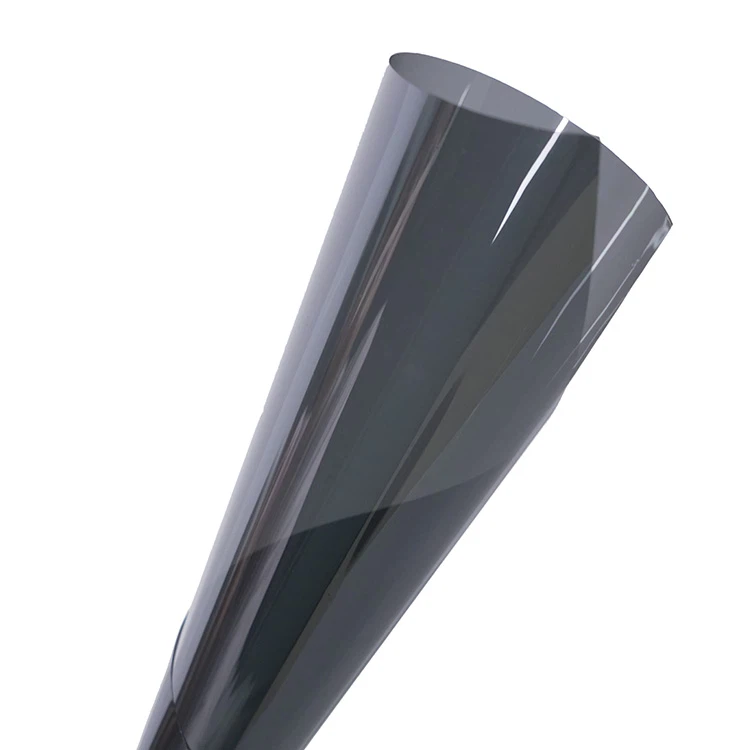

The film consists of multiple nanolayers that are precisely engineered to perform specific functions. These nanolayers work in harmony to block different types of solar radiation, including infrared (IR) rays, ultraviolet (UV) rays, and a significant portion of visible light. Unlike Dyed Film High IR Rejection, which mainly relies on dyes to absorb heat, our nano film uses a more sophisticated approach of reflecting and blocking solar energy at the nanoscale.
The Science of Heat Transfer in Vehicles
To understand how the film affects interior temperature, we first need to understand how heat enters a vehicle. There are three main ways: conduction, convection, and radiation.
Conduction occurs when heat is transferred through direct contact. In a vehicle, this can happen when the hot exterior surfaces, such as the metal body or glass windows, come into contact with the interior materials. Convection involves the movement of heated air. When the air outside the vehicle is hot, it can enter the vehicle through open windows or ventilation systems, raising the interior temperature.
However, the most significant contributor to the increase in interior temperature is radiation. The sun emits a wide spectrum of radiation, including visible light, infrared, and ultraviolet rays. Infrared rays are particularly responsible for the heat we feel. When these rays penetrate the vehicle's windows, they are absorbed by the interior materials, such as seats, dashboard, and carpets. These materials then re - radiate the heat, causing the interior temperature to rise.
How Top Grade Nano Film Low VLT Blocks Heat
Our Top Grade Nano Film Low VLT is designed to combat this heat gain effectively. The nanolayers in the film are engineered to reflect and absorb a large portion of the infrared radiation. When sunlight hits the film, the nanolayers act as a barrier, preventing a significant amount of the infrared rays from entering the vehicle.
For visible light, although the film has a low VLT, it is still carefully calibrated to maintain a reasonable level of visibility for the driver. The film reduces glare, which not only improves driving comfort but also helps in reducing the perception of heat. By blocking a substantial amount of visible light, it also reduces the amount of energy that is converted into heat inside the vehicle.
In addition to infrared and visible light, the film also blocks almost 100% of ultraviolet rays. UV rays not only cause skin damage but also fade the interior materials of the vehicle over time. By blocking UV rays, the film helps to preserve the appearance and quality of the interior while also reducing the heat generated by the degradation of these materials.
Real - World Impact on Interior Temperature
In real - world scenarios, the application of Top Grade Nano Film Low VLT can lead to a significant reduction in interior temperature. Multiple independent tests have shown that vehicles with our film installed can have an interior temperature that is up to 20 degrees Fahrenheit (about 11 degrees Celsius) lower than those without the film on a hot sunny day.
This reduction in temperature has several benefits. Firstly, it improves the comfort of the passengers. Instead of stepping into a sweltering hot vehicle, they are greeted with a much cooler environment. This is especially important during the summer months when the outside temperature can soar.
Secondly, it reduces the load on the vehicle's air - conditioning system. Since the interior temperature is lower, the air - conditioning system doesn't have to work as hard to cool the cabin. This can lead to fuel savings, as the engine doesn't have to consume as much energy to power the air - conditioning compressor. Over time, these fuel savings can add up to a significant amount of money.
Comparison with Other Window Films
When compared to other types of window films, such as Economic Nano Film, our Top Grade Nano Film Low VLT offers superior performance. The economic nano film is a more budget - friendly option, but it may not provide the same level of heat rejection as our top - grade product.
The Sunroof Ice Shield is another product in our range, which is specifically designed for sunroofs. While it also offers good heat - blocking properties, the Top Grade Nano Film Low VLT is suitable for all windows of the vehicle and provides a comprehensive solution for heat management.
Installation and Maintenance
Installing our Top Grade Nano Film Low VLT is a relatively straightforward process. Our professional installation team has extensive experience in applying the film to different types of vehicles. They ensure that the film is applied smoothly, without any bubbles or wrinkles, which could affect its performance.
Maintenance of the film is also easy. It can be cleaned using a mild soap and water solution. Avoid using abrasive cleaners or materials that could scratch the film. With proper installation and maintenance, the film can last for many years, providing long - term heat - blocking benefits.
Conclusion
In conclusion, our Top Grade Nano Film Low VLT has a profound impact on the interior temperature of a vehicle. Through its advanced nanotechnology, it effectively blocks infrared, visible, and ultraviolet radiation, reducing heat gain and improving driving comfort. It also leads to fuel savings by reducing the load on the air - conditioning system.
Compared to other window films, it offers superior performance, making it a top choice for vehicle owners who are looking for a high - quality solution to manage heat in their vehicles.
If you're interested in learning more about our Top Grade Nano Film Low VLT or are considering a purchase, I encourage you to reach out for a detailed discussion. We can provide you with more information, answer your questions, and help you make an informed decision. Let's work together to create a cooler and more comfortable driving experience for you.
References
- ASHRAE Handbook of Fundamentals. American Society of Heating, Refrigerating and Air - Conditioning Engineers.
- "Solar Radiation and Its Effects on Buildings and Vehicles" - Journal of Solar Energy Research.
- Independent test reports on window film performance.