

Hey there! As a supplier of Nano Metallic Window Film, I often get asked about what exactly goes into this amazing product. So, today I'm gonna break down the chemical composition of Nano Metallic Window Film for you.
First off, let's understand what nano metallic window film is all about. It's a high - tech window film that offers a bunch of benefits like heat rejection, UV protection, and privacy. And the magic lies in its chemical makeup.
The Base Layer
The base layer of nano metallic window film is usually made of a polyester material. Polyester, which is short for polyethylene terephthalate (PET), is a synthetic polymer. It's strong, flexible, and has good optical clarity. This means that when you install the window film, it won't distort your view through the window.
PET is made through a chemical reaction between ethylene glycol and terephthalic acid. The resulting polymer chains are arranged in a way that gives the film its durability. It can withstand various environmental conditions, like temperature changes and humidity, without losing its shape or properties. This base layer serves as the foundation for all the other layers in the nano metallic window film.
The Metallic Layer
The metallic layer is where the real action happens. This layer is composed of tiny metal nanoparticles. Common metals used in this layer include silver, gold, copper, and aluminum. These metals are chosen for their unique properties.

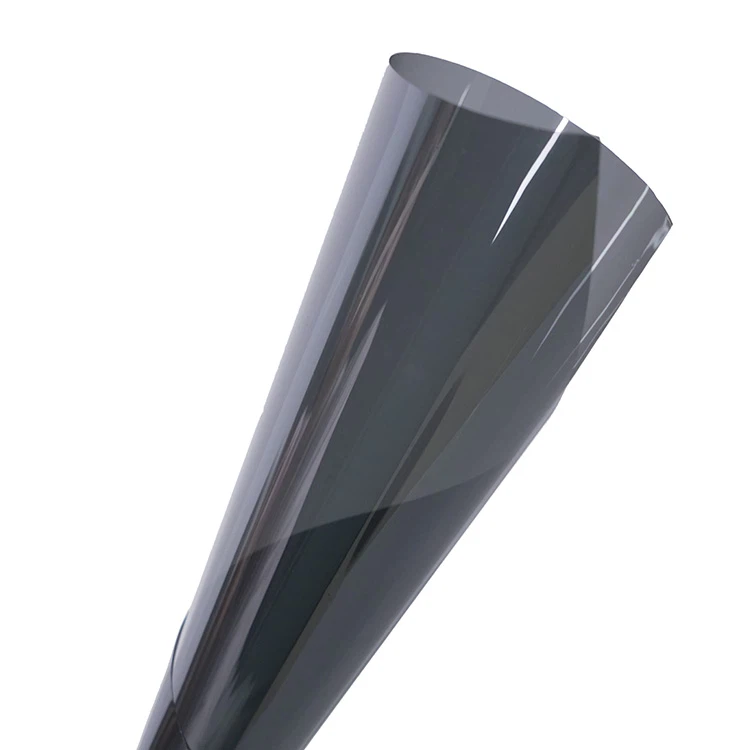
Silver, for example, is an excellent conductor of heat and electricity. In the context of window film, it helps in reflecting a significant amount of infrared radiation (heat) from the sun. When sunlight hits the window film, the silver nanoparticles in the metallic layer bounce back the infrared rays, preventing them from entering the building or vehicle. This results in a cooler interior and reduced energy consumption for cooling.
Gold is another metal that's sometimes used. It has great optical properties and can selectively filter out certain wavelengths of light. This means it can block a good amount of heat while still allowing visible light to pass through, giving you a clear view without sacrificing on heat rejection.
Copper and aluminum are also cost - effective alternatives. They too have good heat - reflecting properties and are often used in combination with other metals to achieve the desired performance. The metal nanoparticles are typically deposited onto the base layer using a process called sputtering. In sputtering, the metal is vaporized in a vacuum chamber and then deposited in a thin, uniform layer on the polyester base.
The Adhesive Layer
The adhesive layer is what sticks the window film to the glass. It's usually made of a pressure - sensitive adhesive. These adhesives are formulated to provide a strong bond between the film and the glass surface. They are also designed to be removable without leaving any residue on the glass when the film needs to be replaced.
The chemical composition of the adhesive often includes polymers like acrylics. Acrylic adhesives are popular because they offer good adhesion, are resistant to aging, and can withstand a wide range of temperatures. They also have good optical clarity, so they don't affect the appearance of the window film.
The Protective Layer
On top of the metallic layer, there's a protective layer. This layer is made of a hard - coat material, usually a polymer. Its main function is to protect the metallic layer from scratches, abrasion, and environmental damage.
Polymers like polyurethane are commonly used in the protective layer. Polyurethane has excellent abrasion resistance and can form a tough, transparent film on the surface of the window film. It also provides some level of UV protection to the underlying layers, preventing them from degrading due to exposure to sunlight.
Benefits Related to Chemical Composition
The unique chemical composition of nano metallic window film offers several benefits. As mentioned earlier, the heat - reflecting properties of the metallic layer help in reducing energy costs. By keeping the interior cooler, you don't have to rely as much on air - conditioning systems, which saves electricity.
In terms of UV protection, the combination of the metallic and protective layers can block up to 99% of harmful UV rays. This is important because UV radiation can cause damage to furniture, carpets, and other interior materials by fading and deteriorating them over time. It also protects the occupants from skin damage and eye problems caused by UV exposure.
Privacy is another advantage. The metallic layer can create a mirror - like effect on the outside of the window, especially during the day. This makes it difficult for people outside to see inside, while you can still have a clear view from the inside.
Our Product Range
At our company, we offer a variety of nano metallic window films to suit different needs. For those looking for automotive applications, we have the Automotive Safety Window Film. This film not only provides heat and UV protection but also adds an extra layer of safety in case of glass breakage.
If you're on a budget but still want the benefits of nano technology, our Economic Nano Film is a great option. It offers a good balance of performance and cost - effectiveness. And for those who prefer a light - curing option, we have the Economic Nano Film Lightcuring.
Let's Connect
If you're interested in learning more about our nano metallic window films or are looking to make a purchase, we'd love to hear from you. Whether you're a homeowner, a business owner, or an automotive enthusiast, our products can provide the solutions you need. Just reach out to us, and we'll be happy to have a chat about your specific requirements and how our nano metallic window films can meet them.
References
- "Polymer Science and Technology" by Donald R. Paul and Charles B. Bucknall
- "Materials Science and Engineering: An Introduction" by William D. Callister Jr. and David G. Rethwisch